
Lee County Multi-Day Arrest Log
Start with the official Lee County Detention Facility portal for the county-wide multi-day view. The form includes an "Over the last number of days" field. Its placeholder shows 5. Five days works as a sensible example. The county posts no fixed weekly PDF, seventy-two-hour bulletin, or promised archive depth.
Remember what this query actually covers. It is a slice of jail admissions. It leaves out citations, warrants, incident reports, and court filings. A Sanford Police arrest may surface in the city's P2C system first. It can appear there before the county detention system shows it, or without ever appearing there. Broadway publishes no town arrest feed. Those gaps matter. They keep an arrest event, a booking, current custody, and a final court outcome from collapsing into one record.
Read Lee County Booking History
Work backward from the official portal every time. Write down the day range you entered and the search date. The wider window helps you catch admissions that a daily check missed. Still, it is not proof of complete history.
- Open the county jail portal and enter a multi-day value, such as 5.
- Review names and admit dates, then open the detail page for a possible match.
- Compare age, local identifiers, admission time, arrest agency, and charging agency.
- Repeat the search under Released if the person no longer appears under Current.
- Use the docket and court date at the Lee County court page to follow the case beyond booking.
An empty result does not mean no one was booked. Quick release can hide an entry. A transfer, intake lag, and spelling variations can too. The daily page uses a value of one for same-day checks. It sits at the Daily Arrest Report. For anyone currently in county custody, the official roster interface is the right starting point.
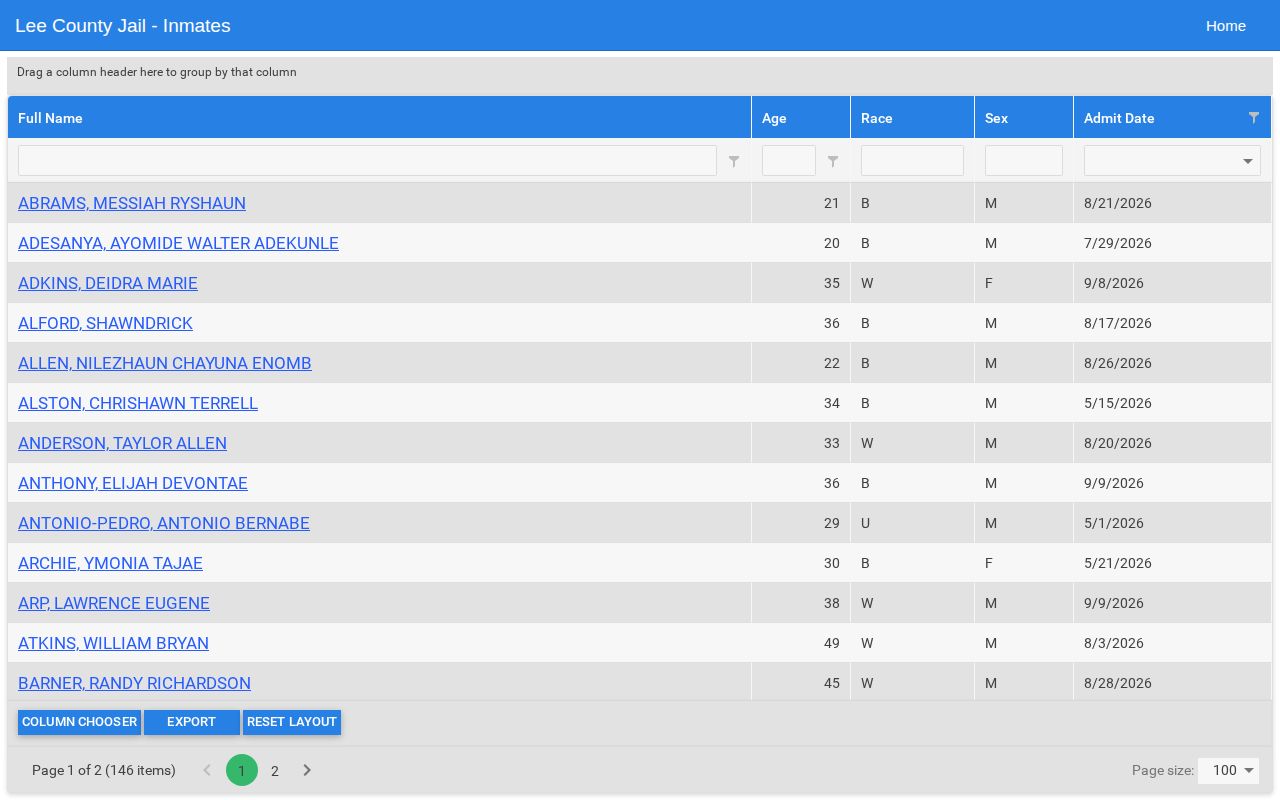
The image shows the county's own search route rather than any individual booking photos or personal records.
Lee County Arrest Log Fields
The result list stays lean, while a person detail page adds charge, bond, agency, and court fields. No booking image appears in either the list or the detail view.
| Field | How to read it |
|---|---|
| Full Name | Starting point only; common names require added checks. |
| Age, Race, Sex | Roster demographics, not findings about the case. |
| Admit Date / Time | Jail intake timing, distinct from offense and arrest dates. |
| Name ID / Local ID | County identifiers that help separate similar records. |
| Housing / Confining Agency | Placement and agency fields that can change. |
| Charge / Offense Date | Booked charge and alleged incident date. |
| Court Type / Date / Docket | Path to the later judicial record. |
| Bond Amount / Type | Booking data, not proof of release. |
| Arrest / Charging Agency | Separates sheriff, city, highway, and other involvement. |
| Photo | No photo appeared in the inspected county portal. |
Those detail fields make the multi-day view far more useful than a bare name list. Offense Date can precede the booking by days. That happens often when an older warrant finally gets served. Bond amounts change. Court dates move too, so confirm them through the Judicial Branch.
When a name query comes back too broad, try a second path. The county charge-search interface offers one. Match the official charge wording there. Then step back to the person detail and the court docket.
Current and Released Arrest Entries
Lee County's portal splits navigation into Current and Released. Current tells you one thing. It shows whether someone is sitting in active county detention at the moment you search. Released works as a fallback when a recent booking has rolled off the active view. Neither page promises a fixed look-back period.
Released does not explain why a person left custody. The label alone means little. It does not say bond was paid, a transfer happened, or a case was resolved. Current status is a custodial fact, not a judgment on the charge. For that second state, the Lee County released-inmate view documents what the portal displays.
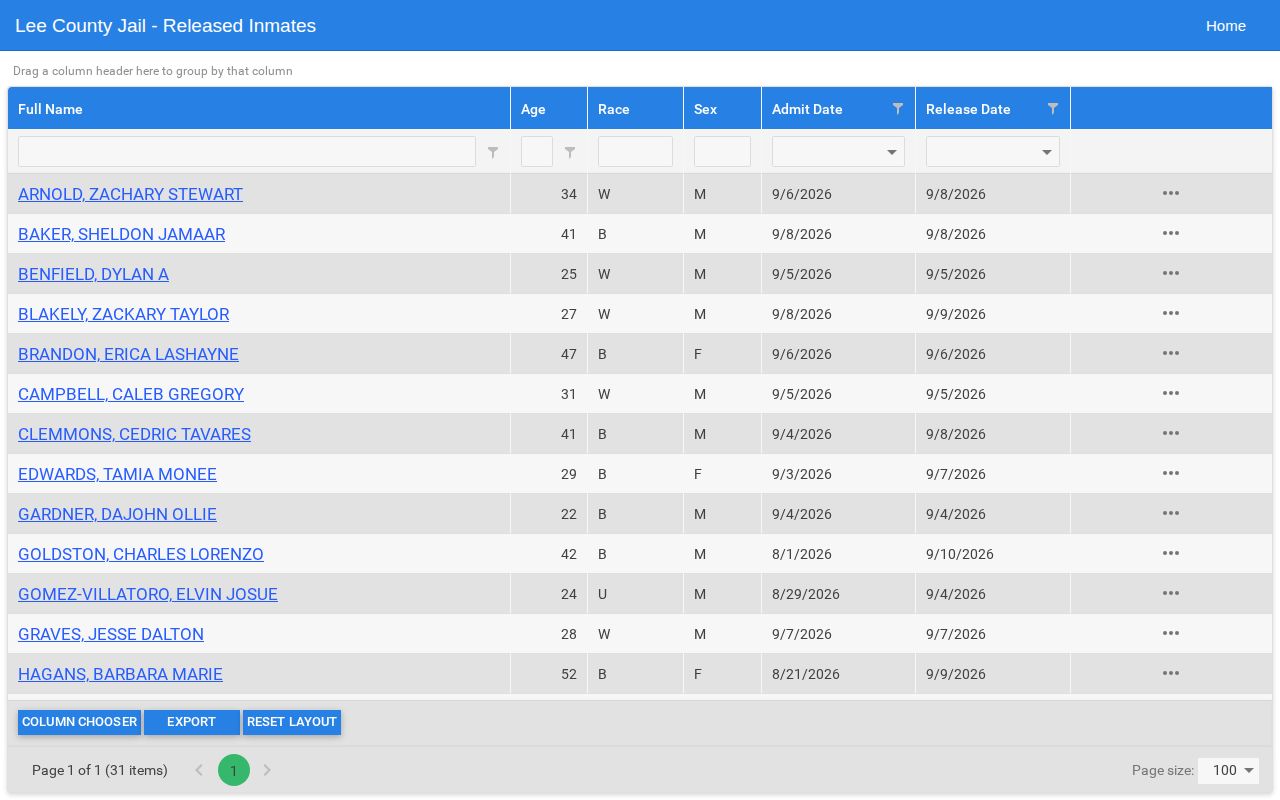
The portal screen shows where a recent Lee County booking can linger after it drops out of Current.
Note: Neither custody view carries a last-updated timestamp, a fixed refresh interval, or a guaranteed roll-off destination.
Weekend Lee County Arrest Searches
Do not assume every weekend arrest was posted by a known hour on Monday. Lee County publishes no weekend or holiday service level. Intake, validation, bond work, and transfers can each affect display timing. Pick a span wide enough to overlap the days you care about. Then check the admission time on the detail record.
A broad range beats a vague label. A five-day search run on Tuesday covers different calendar days than one run on Friday. Write down your actual query. If an arrest truly matters, save its official URL. Then confirm through the county custodian or the courts.
- Arrest event
- The law-enforcement action, which may exist without county booking.
- Booking
- Admission and intake into the jail system.
- Roster
- A changing public view of custody records.
- Disposition
- The later court outcome, not shown by an charge alone.
Sanford Reports Versus County Logs
Sanford Police runs its own Police-to-Citizen arrests view, separate from the county jail system. It can display an arrest photo along with city report data. Per its launch notice, new reports usually appear within forty-eight hours. The report history reaches back to January 2011. Those facts describe P2C only, not the Lee County jail portal.
A city arrest report does not prove anyone is in jail right now. When booking status matters, check a Sanford event against the county Current or Released views. Broadway's official page lists police contact information. It publishes no daily bulletin. A town record inquiry may be needed on top of the county custody check.
This two-system landscape matters. A multi-day Lee County arrest log cannot be called a list of every arrest in the county. The jail portal shows detention admissions. P2C shows arrest and report events. The courts then carry each case to its end.
Lee County Arrest News Is Selective
News coverage adds color that a roster cannot. The Rant picks certain Sanford and Lee County crime stories to publish, drawing on sheriff releases, police reports, warrant details, and statements. WRAL runs selected Lee County cases as well. Neither outlet mirrors the jail admissions roster. Both leave gaps.
The Sanford Herald also reports locally. Its homepage links to the latest Sanford headlines, though the paper maintains no standing arrest log there. Read each story with its date in mind. Arrest news rarely follows up.
The Sanford Herald landing page shows what the outlet currently emphasizes.
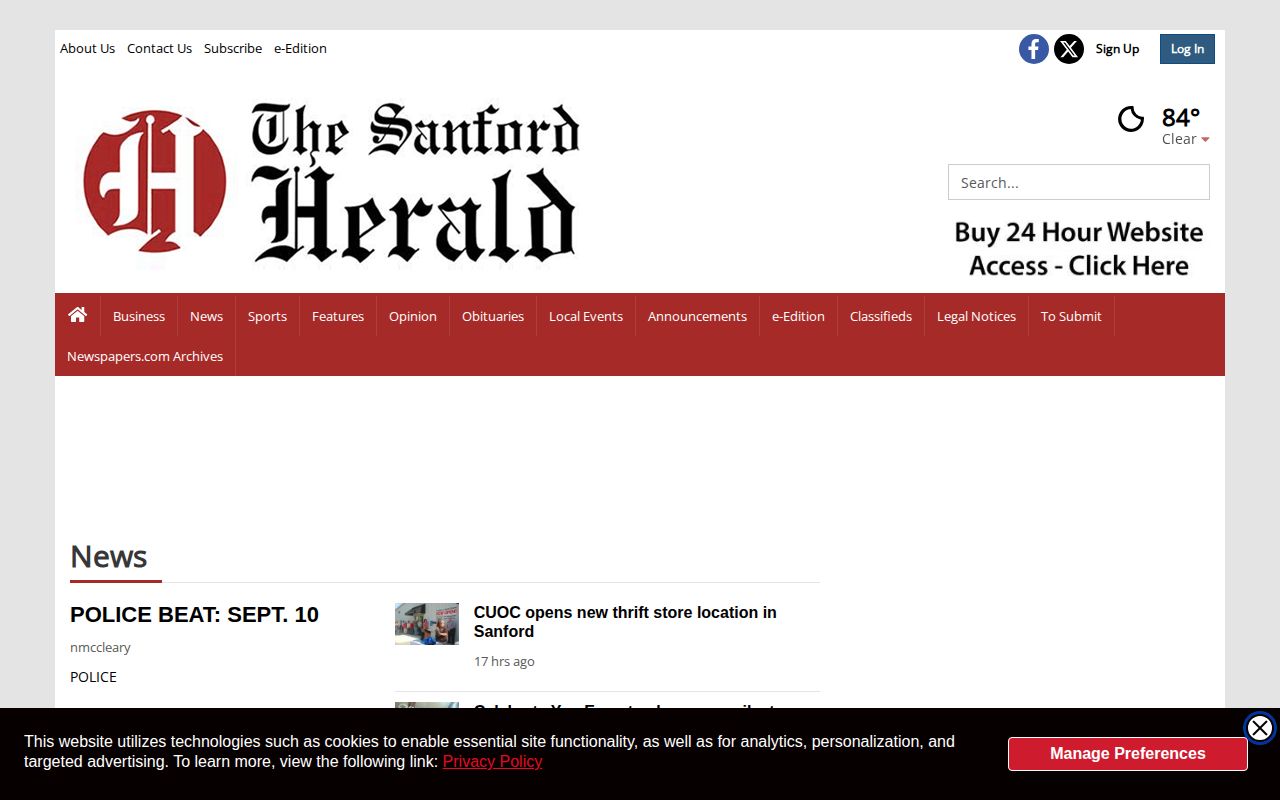
A news story is not a custody list. Lee County arrest coverage reflects editorial choices, not the jail roster. Unofficial sites like Recently Booked and Mugshots Zone can keep copied entries alive after the original page is gone. Those copies run stale, though. Start with official county and court records.
Older Lee County Arrest Records
A record staying online is not the same as the law keeping it. North Carolina's local-government records guidance sets retention schedules that agencies must follow. Booking photos filed with a felony or misdemeanor case stay on that case file's schedule. A photo held outside a case file is destroyed in office after three years. That clock governs paper, not web access. Nothing promises three years of online visibility.
For an older Lee County arrest record, start with the public-record request form. Name the person. Give an approximate booking date. Include the local ID, agency, and charge. Say whether you want the inmate detail, the booking photo, the incident report, or something else. The clerk handles court records. Ask the county first whether a historical record was moved, then contact Archives if needed.