
Lee County Recent Arrest Sources
Start with the official Lee County Detention Facility portal for county bookings. It runs as a live search system. There is no fixed daily PDF or RSS feed. Pick a recent number of days, then read either the Current view or the Released view depending on the question you are asking. Sanford Police-to-Citizen handles city arrest events. An entry there does not mean the person still sits in the county jail.
Every booking entry links identity, charge, bond, agency, and court fields. The public list shows no booking photo. The windows below are search settings in the portal. Neither carries a published refresh promise.
| Recent-arrest view | What it covers | Fields and photos | Timing limit |
|---|---|---|---|
| One-day county view | Admissions over the last day, read with Current or Released | Name, age, race, sex, admit date; detail adds time, charges, court, bond, and agencies; no photo observed | Point-in-time results with no stated update interval |
| Multi-day county view | A broader value, such as five days, for recent admissions | The same list and detail structure | No promised weekly archive or roll-off date |
| Sanford P2C | City police arrest and report events | Demographic, charge, report, and photo information may appear | City materials say new reports usually appear within 48 hours |
The Daily Arrest Report covers the same-day route. Broader blotter and archive choices appear in the Weekly Arrest Log. Each source marks a different stage of a case. The Lee County government source map groups the official jail, court, notification, records-request, and corrections services.
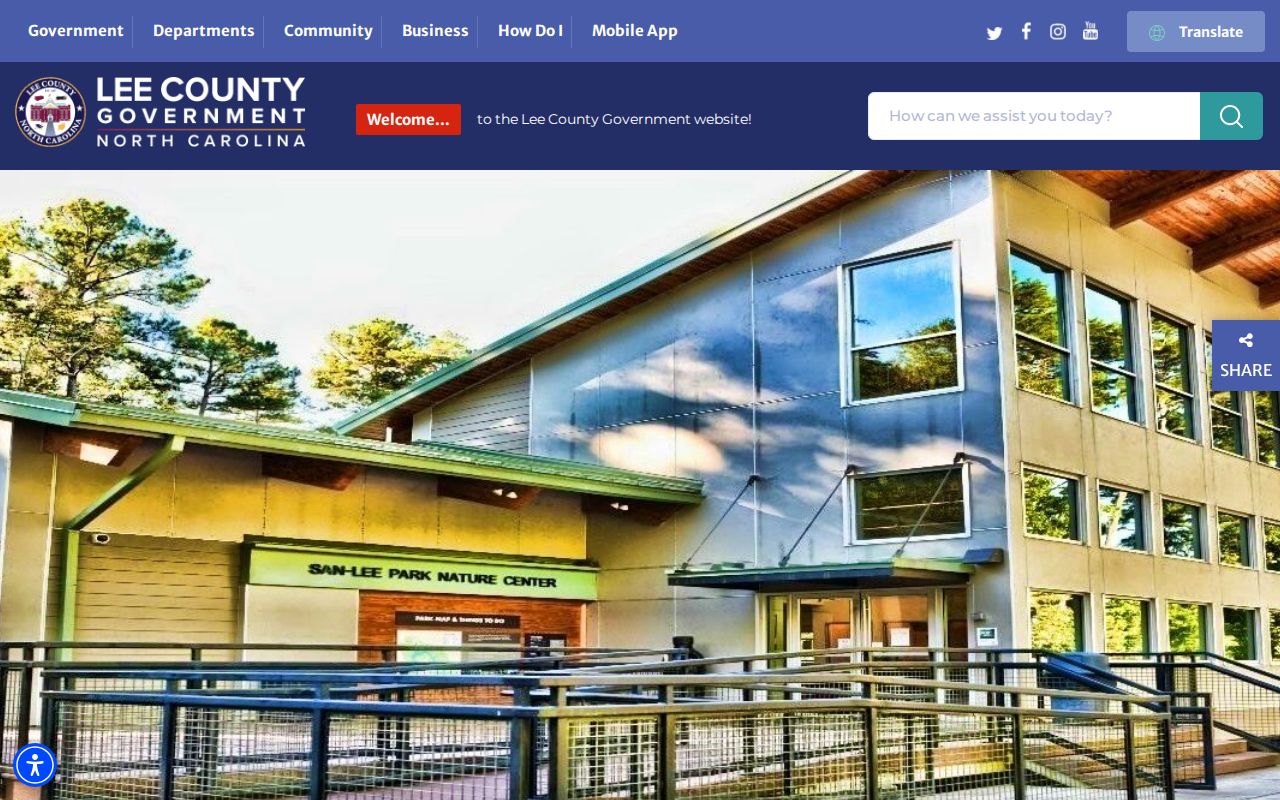
The county page is a directory; the linked agency system supplies the actual record.
When Lee County Arrests Appear
The portal shows both admit date and admit time, but Lee County publishes no exact booking-to-web interval. Intake covers identity checks, charge entry, and housing decisions. A new booking can sit unseen for a while even after the arrest. Try the one-day search first. Then check the live Current list. Use Released if the person may already be out. A missing result only means the person is not visible in that view at that moment.
Sanford keeps a different clock. Its P2C announcement says reports usually appear within 48 hours after review. That clock covers city reports, not jail admission. For custody changes, the VINELink Inmate Check explains NC SAVAN alerts, though VINE can miss a precinct hold or someone who bonded at the magistrate stage without a jail booking.
Expect intake lag. Check both custody views, and call the jail when a time-sensitive status cannot be confirmed online.
Search the Lee County Arrest Roster
The Lee County roster separates search method from custody state. Its landing page takes a name, a charge description, or a number of recent days. Two quick buttons stand out. View All Inmates and View All Charges each open a full list. Current shows who sits in county custody right now. Released helps after someone leaves the current list. The county does not promise every old booking stays online.
| Search field or control | Use |
|---|---|
| Name | Find a current entry, then distinguish similar names with age, admit date, agency, or ID |
| Charge description | Find current records carrying the entered charge; wording can vary |
| Number of days | Create a one-day or broader recent-admission view |
| Current | View custody status at the time of the search |
| Released | Look for a record after the current listing ends |
| View all inmates or charges | Browse the structured county list without claiming it is a permanent archive |
A careful roster check has four steps:
- Open the official portal and choose the search that fits the known fact.
- Select Current for present custody or Released for a completed county stay.
- Open the detail and compare admit time, local ID, arrest agency, and docket rather than relying on a name alone.
- Carry the docket and court date to the North Carolina court system for the case outcome.
The official current-inmate list illustrates the public roster layout.
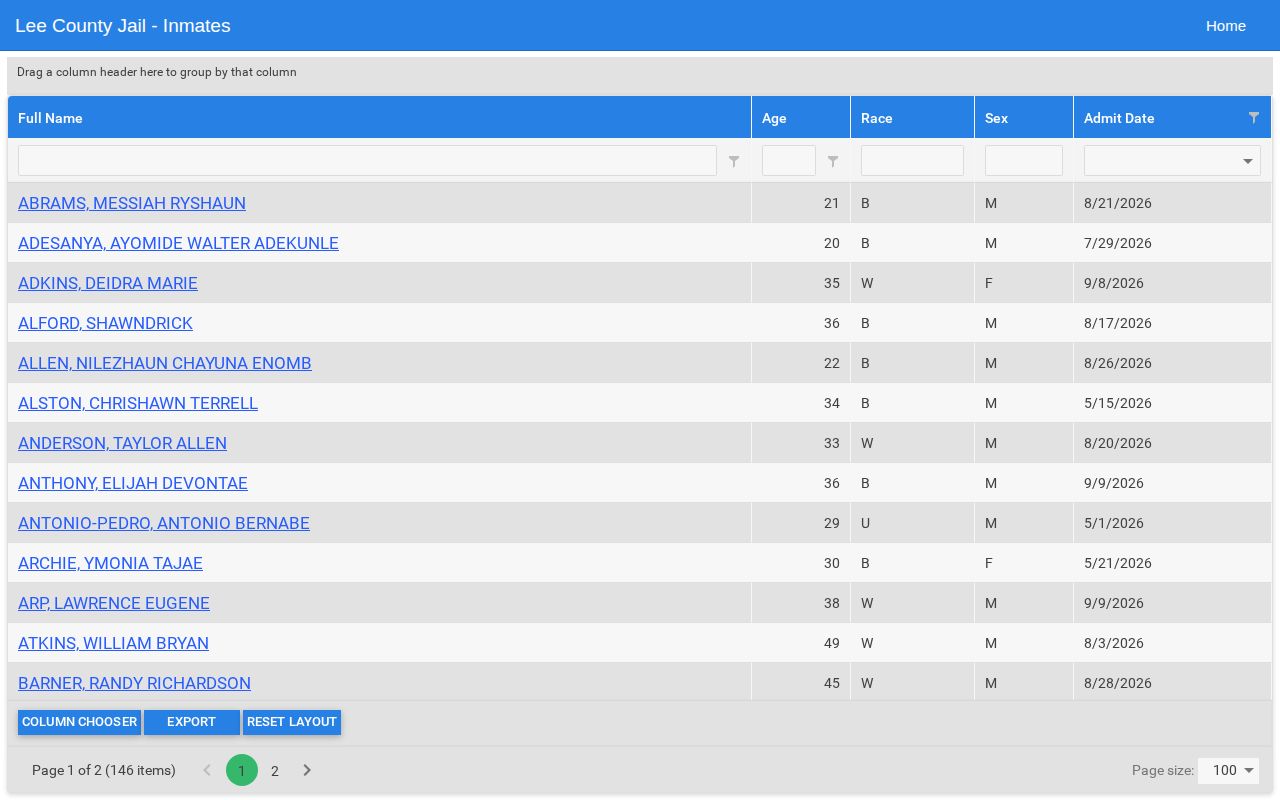
The capture documents the search interface, not any person’s guilt or final case result.
Lee County Arrest Portal Quirks
Three local quirks shape every search. Current and Released are separate lists. The recent window arrives as a number you type, not a preset menu. Public details stay structured but photo-free. No last-updated stamp, fixed refresh interval, or stated archive depth appears anywhere. Treat the day control as a filter, not a retention policy.
Lee County Arrest Bond Fields
The detail view lists Bond Amount and Bond Type. The county publishes no complete local bond schedule. It also gives no promise on how fast the roster updates after bond is posted. A number on the screen is just a figure. Recheck Current and Released, then follow the court record for later legal action.
Lee County Arrest Apps and Feeds
The official Lee County NC Linked app serves as a broad county-services tool. Its features include news, maps, departments, GIS, taxes, contacts, payments, and public feedback. Think general services, not bookings. Use the detention portal for custody and NC SAVAN for qualifying notifications.
The sheriff page links Facebook and older arrest-blog destinations. Facebook, it says, is not monitored. The old blog links lead to dead pages, which shows why the live jail portal and Sanford P2C beat an aging blog shortcut. Urgent matters belong by phone. Emergencies belong at 911.
Where Lee County Arrests Get Published
Official sources should always lead. Each one names a specific stage. Secondary sites and news reports can help locate an older item, but they may hold stale charges after a release or a court change.
| Channel | Official? | Photo? | Correct use |
|---|---|---|---|
| Lee County jail portal | Yes | No public image observed | Current, Released, recent admission, and booking detail |
| Sanford P2C Recent Arrests | Yes | May display one | Sanford police arrest/report event, not current-custody proof |
| NC SAVAN/VINELink | Yes | No | Custody status and qualifying change alerts |
| NCDAC offender search | Yes | A corrections profile may include one | State prisoners, supervision, and historical DAC records, not county jail |
| The Rant, Sanford Herald, WRAL | No, news | Story-dependent | Selected cases and context, never a complete roster |
| Busted Newspaper, Recently Booked, Mugshots Zone, Arrests.org | No | Often | Copied discovery pages that require official verification |
Four private sites republish Lee County arrest data. They are Busted Newspaper, Recently Booked, Mugshots Zone, and Arrests.org. A listing there can outlive a jail stay. Charges get dropped or reduced. The copied entry stays put. Each site's own disclaimer concedes it tracks no one's custody. Mugshots.com offers no county-local page for Lee. The Rant and WRAL cover selected arrests from agency releases. The Sanford Herald keeps no standing arrest section. News stories give context around an arrest, not a full booking count.
Lee County Arrest News Is Selective
The Rant reports on Sanford and Lee County cases, drawing from police, sheriff, warrant, and incident records. WRAL covers selected sheriff and Sanford arrests too. Neither tries to list every booking. A story's date can also drift from both the incident date and the jail admit date. For custody, go back to the county portal; for outcomes, the courts.
Copied pages set the same trap. A photo or original charge can linger online long after release. Treat any secondary hit as a lead. Match it against official identifiers before trusting it. Publication alone never means the person is still in custody.
Lee County Arrests by City
Lee County contains two incorporated cities. Sanford Police runs the only city arrest feed. Broadway Police posts contact details but no daily arrest log. County bookings from either city may appear in the Lee County Detention Facility portal. City police records can stay with the arresting department.
- Sanford Recent Arrests explains the city Police-to-Citizen feed, its photo-bearing arrest view, and the county-jail custody check.
- Broadway Recent Arrests starts with Broadway Police contact and uses the county portal when an arrest results in a Lee County booking.
A mailing address proves little. Rely on the arrest-agency and confining-agency fields instead of forcing rural county records under a city label.
Lee County Arrest Record Fields
A booking record freezes one moment in time. It ties identity and physical details to admission, housing, charge, bond, agency, and court fields. Some fields change later. The offense date can precede booking by weeks. Skip the full address and birth date when a local ID and docket number make the match with less exposure.
| Field group | What it shows |
|---|---|
| Name, Name ID, Local ID | Identity and internal keys used to separate similar names |
| Age, birth date, sex, race | Roster demographics at the time of entry, not a legal finding |
| Eyes, hair, height, weight | Booking-description fields that may change |
| Admit date and time | County intake, which may differ from incident or arrest time |
| Housing and confining agency | Placement and agency relationship at that moment |
| Charge and offense date | The charge as entered and its alleged event date |
| Court type, date, docket | The bridge from booking to the court calendar and case |
| Bond amount and type | Booking-system bond information, not proof of payment or release |
| Charging and arrest agencies | Which agency brought or entered the matter |
| Booking photo | No image appeared in the inspected county roster or detail |
Each Lee County booking entry lists the arrest date, the charge, and the agency that took the person into custody.
Lee County Booking Photos Differ
It's too simple to say Lee County posts mugshots. The county jail portal publishes no booking image in its public list or detail pages. Sanford P2C works differently. A city arrest entry there can include a photograph, released by the police themselves. Still, it says nothing about custody.
State prison records add another layer. North Carolina Department of Adult Correction profiles can carry photographs of prisoners, probationers, parolees, and historical DAC cases. Those are corrections images. They shouldn't be mistaken for the photo from a recent Lee County booking. The Bureau of Prisons and ICE locators offer no comparable booking-photo search.
Private sites copy photos too. Busted Newspaper, Recently Booked, Mugshots Zone, and Arrests.org republish booking photos and fields without authority. Those pages aren't authoritative sources.
Request a Lee County Booking Record
When the portal shows no booking record or releasable photo, file the Lee County Public Record Request form. The Sheriff's Office main line is 919-718-4560. The detention line is 919-718-4567. The jail lists PO Box 4567, Sanford, NC 27331. LCSO posts no special photo form, no fixed booking-photo price, and no guaranteed response window.
- Identify the person, approximate booking date and time, and arresting agency.
- Add a Local ID, Name ID, or docket number when available.
- Ask for the existing booking record and, if releasable, the existing booking photograph.
- Request an electronic copy and ask for the statutory reason for any withholding or redaction.
- Keep the request, response, and any court order or correction notice.
G.S. 132-1 ties ordinary copy fees to actual reproduction cost. Extraordinary requests can carry other permitted cost treatment. The state guide calls for production as promptly as possible but sets no one-day deadline. Review time, redaction, and scope all affect the wait. A narrow request beats a demand for every photo.
Correcting Lee County Record Copies
Start with the source. A county record error belongs with the county custodian. A Sanford report goes to Sanford Police. The North Carolina Judicial Branch expunction guide describes statute-specific relief for eligible dismissals, charges, and convictions. Eligibility and waiting periods vary, so no promise that arrests vanish after a set time holds up.
After a correction or expunction, send the order and exact URL through a publisher's free removal route where one is posted. Busted Newspaper and Mugshots Zone publish such routes. Recently Booked and Arrests.org list no clear free process. Never pay a removal vendor. Once a source page changes or disappears, ask the search engine to refresh stale results. A search engine can't erase a live source page on request alone.
G.S. 15A-152 reaches certain paid criminal-history disseminators after notice. It builds in a deletion framework with exceptions. It is not a blanket fix for every site or photograph. Keep the court order, and get legal advice for a specific dispute.
Lee County Booking Records and Law
North Carolina's records law starts wide. Under G.S. 132-1, photographs and electronic files count as public records whenever public business creates them. G.S. 132-1.4 draws the next line, shielding criminal-investigation records while keeping basic arrest facts, returned warrants, and court process open. That split lets a county post core booking data without airing every investigative item. A different statute governs the camera. G.S. 15A-502 authorizes photographs and fingerprints in listed felony, misdemeanor, detention, conviction, and juvenile situations. Permission is not a mandate. No state law forces Lee County to publish booking photos online, and none creates a universal ban on paid removal. Juvenile, sealed, expunged, victim, and protected investigative material demands different handling. The photo-taking statute carries the controlling text.
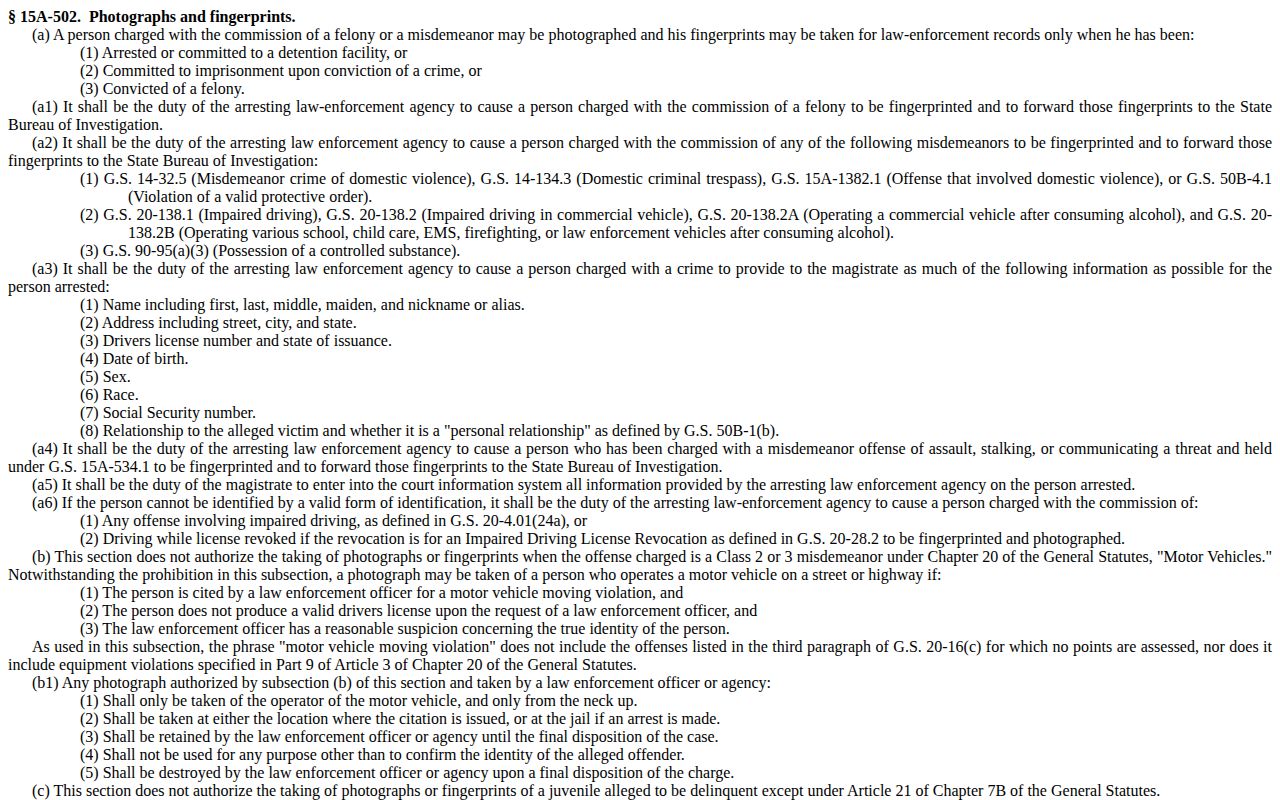
Authority to photograph is not a duty to publish.
How Long Lee County Photos Last
How long does a booking photo stick around in Lee County? Longer than you might think, but not always where you expect. The North Carolina Archives local-government guidance draws a line between what an agency must keep and what it must show online. A photo tied to a felony or misdemeanor case file stays with that file, under the case-file schedule. Photos kept outside a case file face a different rule. The schedule calls for destruction in office after three years.
That clock covers retention, not web display. The Lee County portal makes no promise about how deep its online archive goes. An arrest record can sit in agency custody long after it leaves the website. A private copy can also survive online once the official view changes. Want an older booking photo? Ask the county first. Then ask the court clerk for the case record. Only ask Archives about a transfer if the county says one happened. The state records-management page explains how local schedules govern agency holdings.
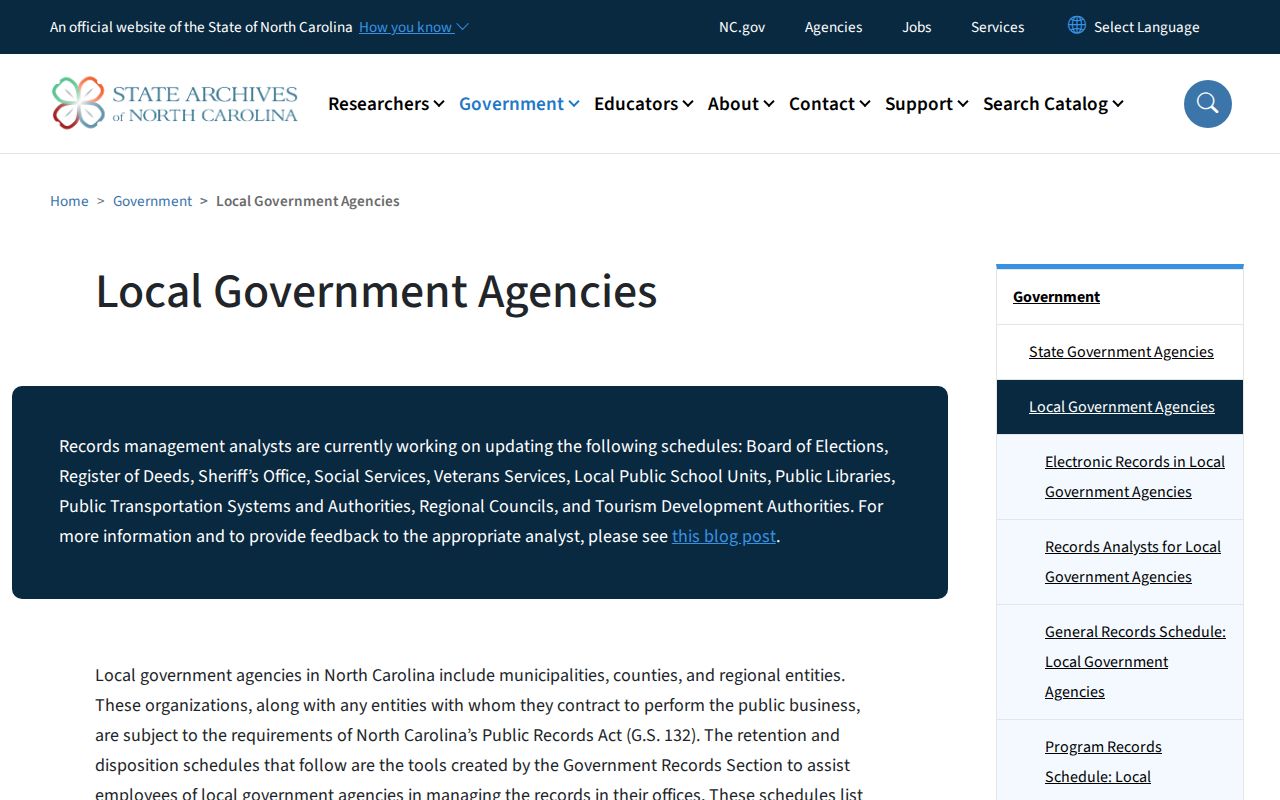
Archives provides retention guidance and selected holdings, not a live Lee County jail mirror.
Lee County Warrants and Wanted
Lee County publishes no official most-wanted list. It also offers no county-specific public warrant search. The practical starting point is the Lee County Judicial Branch page. Returned arrest and search warrants can be public court records unless a judge seals or restricts them. A clerk result confirms docketed process. It cannot prove a warrant still runs. For live, person-specific answers, call the sheriff at 919-718-4560 or have an attorney use the proper court channel. Custody questions go to the jail line, 919-718-4567. The sheriff lists no separate warrants-unit number. Crime tips belong on 919-718-4577, and immediate danger belongs at 911. Never confront someone you believe is wanted. Pass information to law enforcement, and let anyone worried about a warrant talk with counsel or the court rather than trust social media or an old booking page.
Lee County Cases Reach Court
The jail roster does more than list names. Its Court Type, Court Date, Docket Number, and Bond fields open a path into Lee County District or Superior Court. Copy the docket number exactly. Then check the current Judicial Branch portal. Each source covers one stage of an arrest case. The jail describes booking and custody, Sanford P2C describes a city report event, and the court adds continuances and the final disposition. Arraignment is that early stage where charges and release conditions get addressed. Disposition simply means the outcome, whether dismissal, amendment, plea, acquittal, or conviction. Lee County sources promise no universal first-appearance hour. Nor do they fix the delay between bond and roster removal, so the official Lee County court page and its calendars stay the best reference.
The court source completes the story that a booking charge begins.
Lee County Custody Alerts Have Limits
Lee County links to NC SAVAN through VINELink. The custody-notification service is free and anonymous. Users register for phone, text, or email notice and can track qualifying county and state custody changes. It is no photo archive. Nor is it an instant arrest feed. Transfers may even require a new registration. The gaps matter, since the service skips juveniles, mental-health facilities, police-precinct holds, and anyone who bonds at the magistrate level without a jail booking. The county app fills none of these holes, and the sheriff does not monitor Facebook for operational contact. Match the tool to the stage, whether roster, police source, VINE, or court.
Beyond Lee County Custody
State corrections is the next layer. The North Carolina Department of Adult Correction search covers state prisoners, probationers, parolees, and historical DAC records back to 1972. Search by status, name, a sounds-like option, offender number, or date of birth. A profile may include a corrections photo. It may also carry sentence information. County jail data stays excluded. A fresh Lee County booking will not appear there, and transfer or intake can leave a gap right after sentencing. Federal custody works differently. The Bureau of Prisons locator reaches federal inmates from 1982 forward and can show location or release status, though it posts no photos. A pretrial federal detainee may sit in U.S. Marshals custody instead. That person is absent from BOP. The ICE detainee locator needs an A-number plus country of birth, or exact biographical details, for qualifying immigration custody. It proves no Lee County detention contract. Keep these systems apart, because county jail, city arrest event, state corrections, federal prison, Marshals detention, and immigration detention are distinct custody states.